The Mediterranean in Winter Is the Best Travel Secret Nobody's Talking About
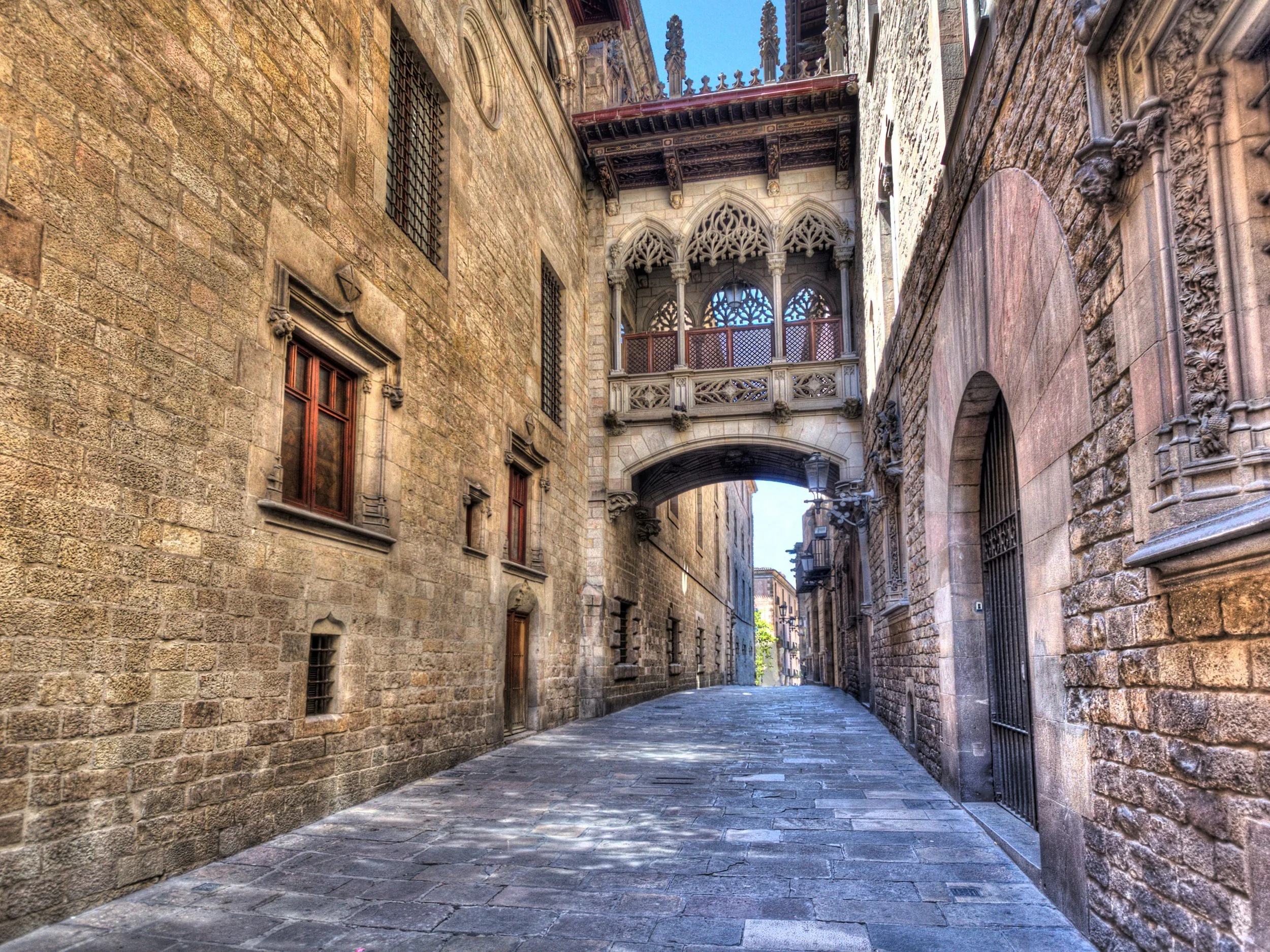
Fewer crowds. Deeper access. And yes - one very beautiful pashmina.
More than ten years ago, Elizabeth and I boarded a Celebrity Cruises ship in Rome (well, Civitavecchia) and sailed the Mediterranean for Thanksgiving.
It wasn't a calculated decision. We weren't trying to be clever about the timing or beat the crowds. We just went when we could go. And what happened over the next two weeks quietly changed the way I think about travel.
We visited Barcelona, Rome, Athens, Valletta, Sicily, Naples, and a handful of Greek islands. The weather was beautiful — sometimes borderline cold, which felt almost absurd against the backdrop of ancient ruins and turquoise water. But here's what I remember most: we had it almost entirely to ourselves.
That feeling has stayed with me ever since.
The crowd math - and why it matters more than you think
If you've ever stood in line for the Sagrada Família in July (we have!), elbowing your way toward a photo that has seventeen strangers in it, you already understand the problem with peak-season travel.
Summer in the Mediterranean is extraordinary. It's also relentlessly crowded, aggressively hot, and increasingly expensive. The cities are there, the history is there, the food is there - but so is everyone else, all at once, all competing for the same views, the same tables, the same moments.
Winter changes the equation entirely.
When Elizabeth and I visited Barcelona in November, we walked into experiences we'd struggled to access in summer. Shorter lines. Spaces that felt unhurried. Moments that felt genuinely ours. We didn't have to pre-book everything weeks in advance or sprint between sites to beat the next tour group. We just ... wandered. And the city let us in.
There's something quietly extraordinary about standing in a place that usually hosts thousands of people and finding it nearly empty. It changes how you experience it. You slow down. You notice things. You actually look.
And - not a small thing - your photos are so much better.
The weather is not what you're picturing
I know what you're thinking. The Mediterranean in winter sounds cold.
Here's what I'd tell you: it depends on where you are and what you're comparing it to. November in Barcelona felt crisp and clear, not frigid. Greece in November still surprised us with its warmth - at least during the day. The evenings called for layers.
Which is how I ended up with one of the most beautiful pashminas of my life, purchased from a market stall in Greece because I needed another layer and came away with something I still reach for a decade later. Some of the best souvenirs happen by necessity.
The seas, for what it's worth, were no rougher in November than they'd been on summer sailings. That's a question we hear often and the honest answer is: the Mediterranean is a relatively calm body of water year-round. Winter doesn't change that dramatically.
What it does change: the light. Winter light in the Mediterranean has a quality that summer doesn't - softer, more golden, more cinematic. It makes everything look slightly unreal in the best possible way.
The magic of winter celebrations
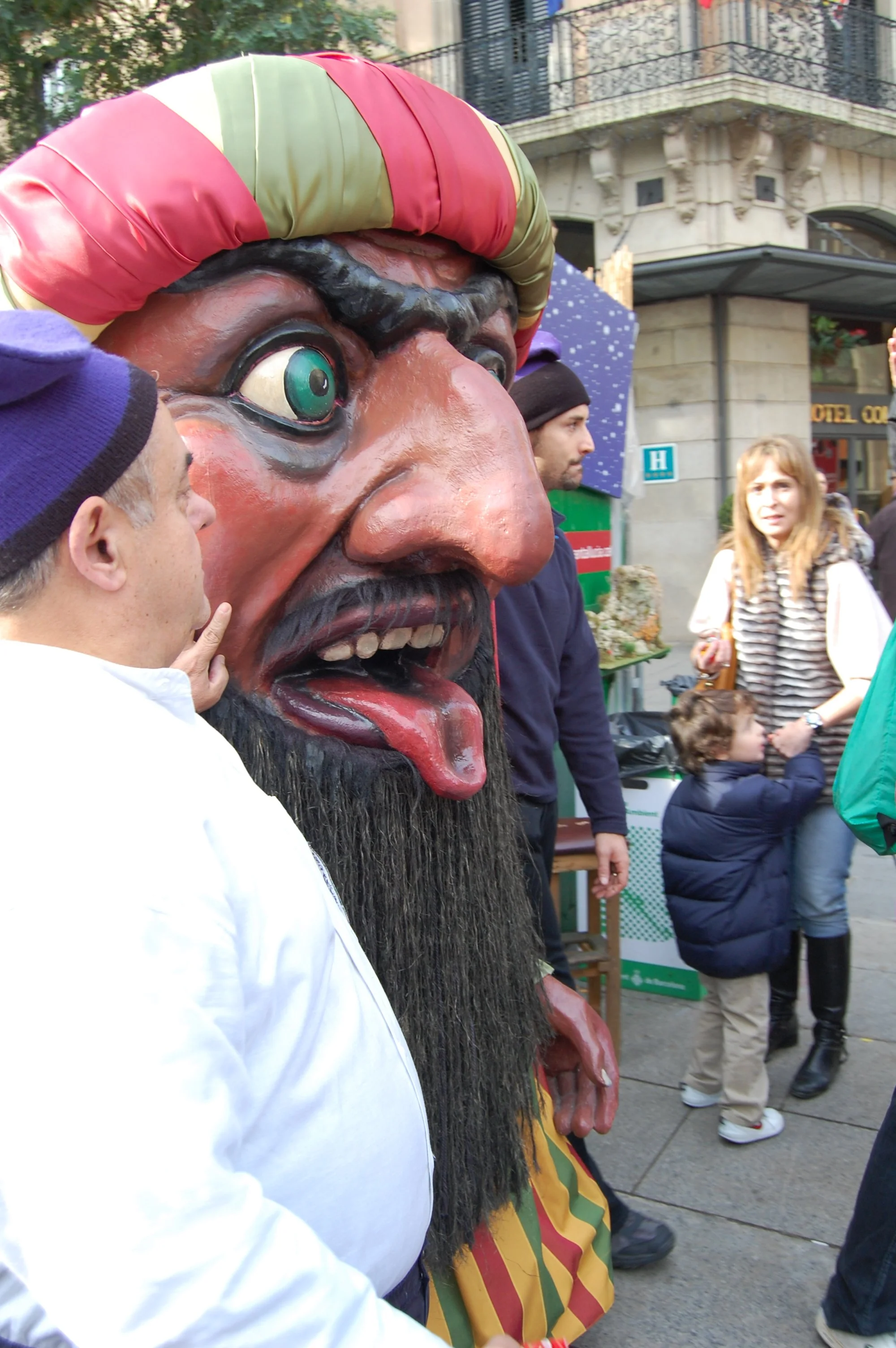
Holiday Christmas market in Barcelona with festive characters and local celebrations.
Here's something that genuinely surprised us: November and December in the Mediterranean are festive in a way that has nothing to do with beach season.
In Barcelona, we stumbled into a holiday parade and market - the kind of local, joyful, completely unself-conscious celebration that you rarely encounter as a tourist because it's not designed for you. It's just life happening, and you get to be part of it.
That experience turns out to be common across the region. Mediterranean cities celebrate the season with a warmth and specificity that's hard to find in summer. Christmas markets appear in Rome, Florence, Genoa, Nice, Monaco, and Barcelona from mid-to-late November through Christmas Day - and many run beyond. Local holiday dishes, artisan crafts, regional mulled wines, ice skating, music. Evenings are particularly magical, when the markets are lit and the crowds are local rather than tourist.
And in February, Nice hosts its famous Carnaval - one of the oldest and most spectacular carnival celebrations in the world. Two weeks of parades, flowers, costumes, and the particular joy of a city celebrating itself.
These aren't consolation prizes for traveling off-peak. They're reasons to go specifically in winter.
What opens up when the summer visitors leave
Beyond the celebrations, there's a subtler shift that happens in winter Mediterranean ports - one that matters enormously to the kind of traveler we work with.
Access gets easier. Experiences that require advance booking in summer become available with less friction. Restaurants that are fully booked from May through September suddenly have tables. Museums have room to breathe. You can spend as long as you want in front of a painting without someone's elbow in your ribs.
The cities themselves are more navigable. Streets that are genuinely difficult to walk in peak season - because the sheer volume of people makes forward motion an achievement - become pleasurable again. You can stop. Look up. Notice the architecture, the light, the detail that you'd miss entirely if you were just trying to get through.
And the locals come back. In peak season, the people you encounter in tourist-heavy areas are largely other tourists. In winter, you're more likely to find yourself in a café full of people who actually live there, eating the food they actually eat, having a version of the experience that doesn't exist in July.
There's a reason the most seasoned travelers we know prefer the shoulder season. It's not about budget. It's about depth.
A note about beach towns - and why the cruise lines have already figured this out
One practical question we hear: what about the cities that are really only good in summer?
Here's the thing - the cruise lines running winter Mediterranean itineraries have already done this work for you. They're not routing ships to beach towns that close up in October. Winter Mediterranean itineraries focus on the cities and ports that are fully alive year-round: the cultural capitals, the historic centers, the places where winter doesn't diminish anything but the crowds.
Which means less guesswork for you. You're not wondering whether the restaurant district will be open or the museum will be running. The itinerary is already built around what's extraordinary in winter - which, in the Mediterranean, turns out to be quite a lot.
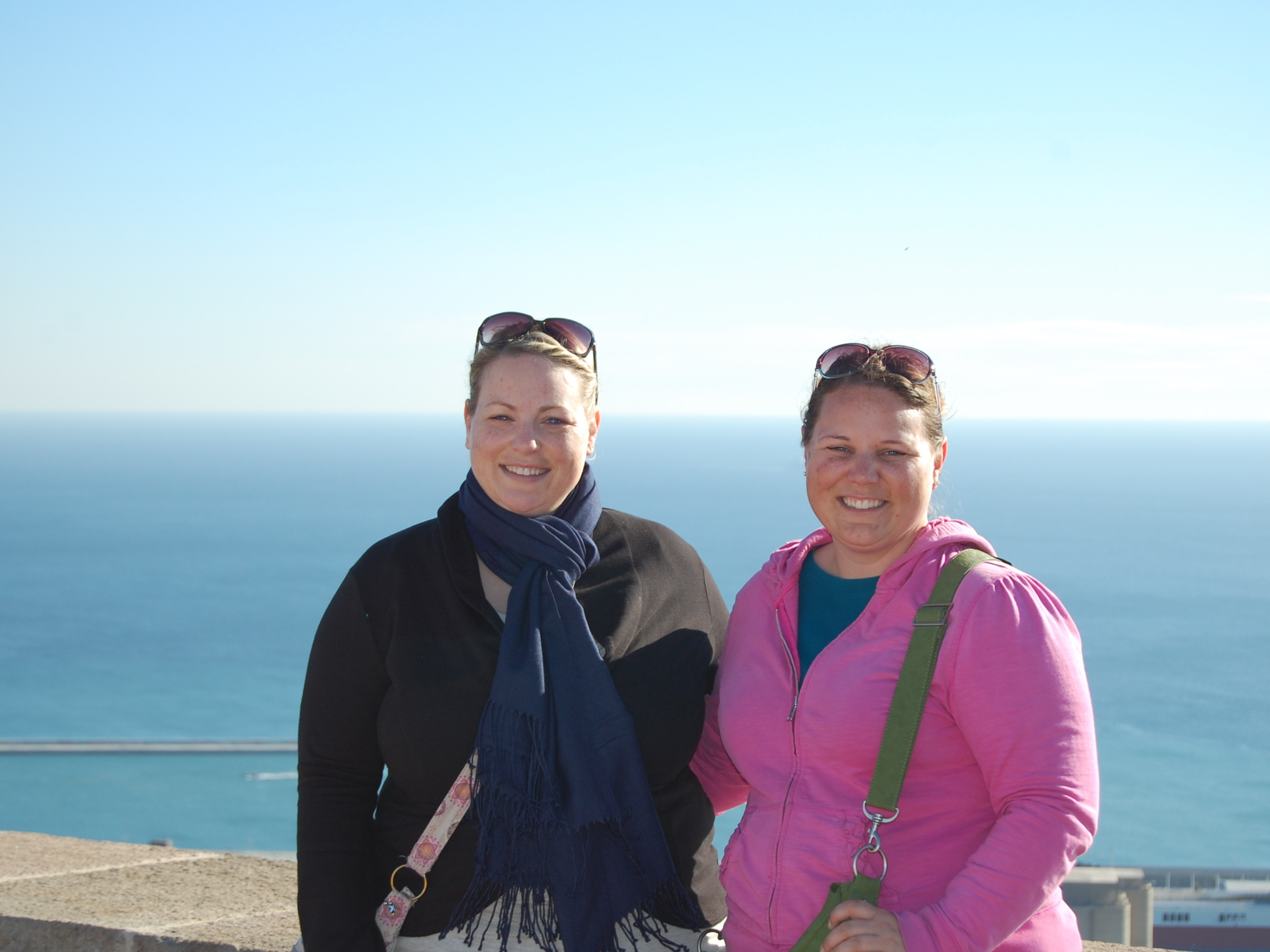
Wendy and Elizabeth exploring the Mediterranean on our winter cruise aboard Celebrity Cruises.
Who winter Mediterranean cruising is for
It's for the traveler who has been to the Mediterranean in summer and wants to go deeper.
It's for the traveler who keeps saying "I want to actually experience a place, not just check it off."
It's for the professional who has a narrow window to travel and wants every hour to count - not to be spent waiting in line or navigating a crowd.
It's for the person who wants to come home with a pashmina they bought because they needed a layer, and a memory of a holiday parade they stumbled into, and the particular feeling of standing somewhere extraordinary with almost no one else around.
Elizabeth and I went in November more than a decade ago without thinking too hard about it. We'd go back in a heartbeat - and we'd go in winter on purpose.
Curious about what a winter or shoulder-season Mediterranean sailing might look like for you? Take our cruise style quiz to find your fit — or reach out directly and let's talk through what you're looking for.