🚩 First Mate's Log: Why People Come Back From Retreats Different
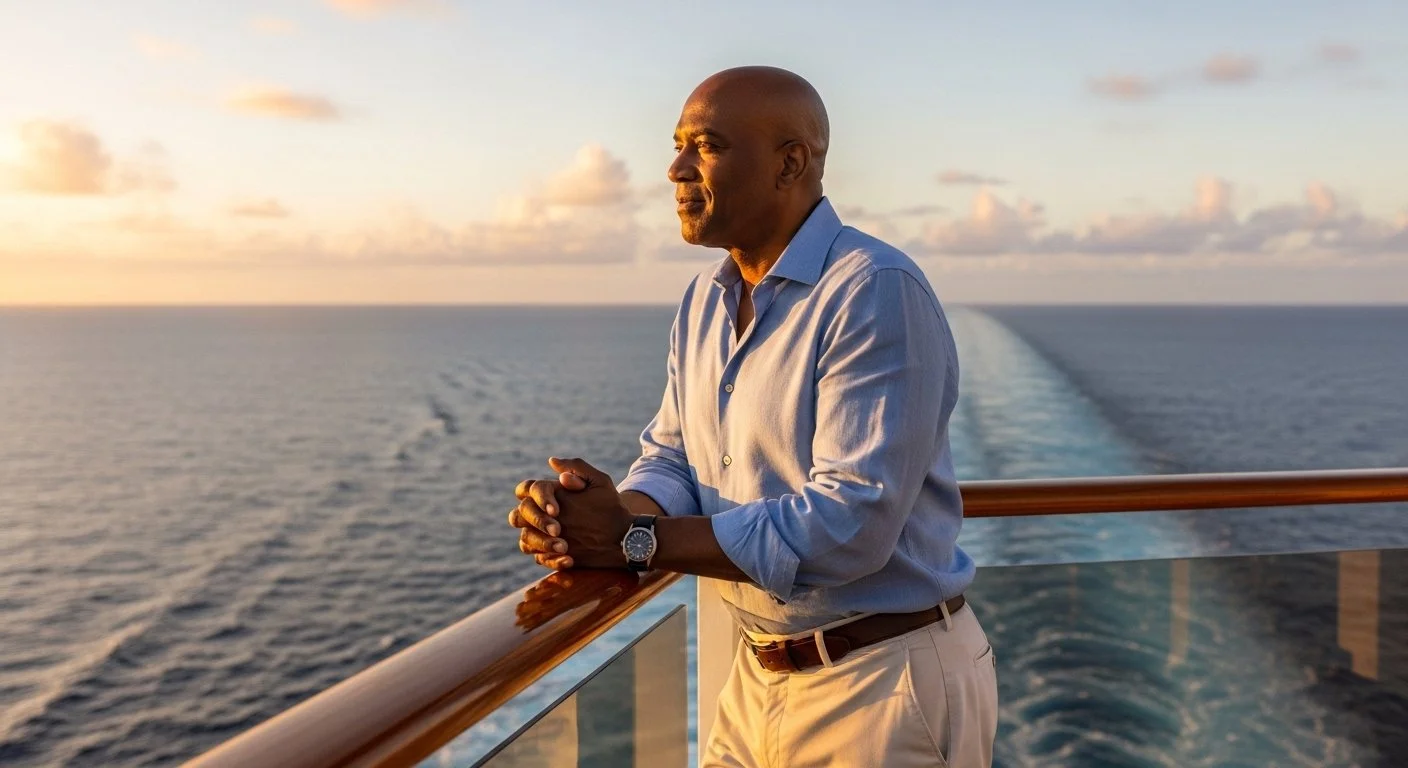
You've probably seen it.
Someone in your community - a colleague, a client, a peer - goes away for a retreat. They're gone for four or five days. They come back, and something is different. Not dramatically different, not "they've become a new person" different. Just ... shifted. Quieter in some ways. Clearer. More decisive. Like they made a decision somewhere out there that they haven't announced yet but that you can already feel in how they carry themselves.
It's not your imagination. And it's not magic. There's a real reason people come back from retreats changed - and it has almost nothing to do with the agenda.
THE CONTAINER DOES SOMETHING THE CONTENT CAN'T
Here's what most people don't understand about retreat transformation: the programming matters far less than we think, and the environment matters far more.
Think about the last time you had a conversation that genuinely changed how you think about something. Chances are it didn't happen in a scheduled meeting or a structured session. It happened somewhere else - at dinner, on a walk, in a quiet moment between things. The insight arrived not because someone put it on the agenda, but because something about the moment made it possible.
Retreats work because they create conditions. Remove someone from their ordinary environment - the desk, the inbox, the familiar walls that hold all their familiar patterns - and something opens up. The brain, no longer managing the logistics of ordinary life, gets to think differently. The body, no longer braced for the next thing on the calendar, gets to relax. And in that relaxed, present state, people access things they've been carrying around but haven't been able to see clearly.
This is why the most transformational retreats aren't always the ones with the most intensive programming. Sometimes they're the ones with the most space.
WHAT "DIFFERENT" ACTUALLY LOOKS LIKE
The changes that retreat experiences produce tend to show up in a few specific ways - and they're worth naming, because they're not always what people expect.
They make decisions they've been avoiding. Something about being away from the environment where a hard decision lives makes it easier to see clearly. The retreat doesn't make the decision for them - it just removes the noise that was making clarity impossible. People come home having decided things. Sometimes big things. (If you're the one who keeps putting off the retreat itself, [this post is worth a read before you go any further.)
They say something they haven't said anywhere else. In a room full of people who are genuinely present - not half-present, not managing distractions, not performing for the office or the feed - people say the real thing. The thing underneath the thing they usually say. And once it's been said out loud to other people who heard it, it can't be unsaid. They have to carry it forward.
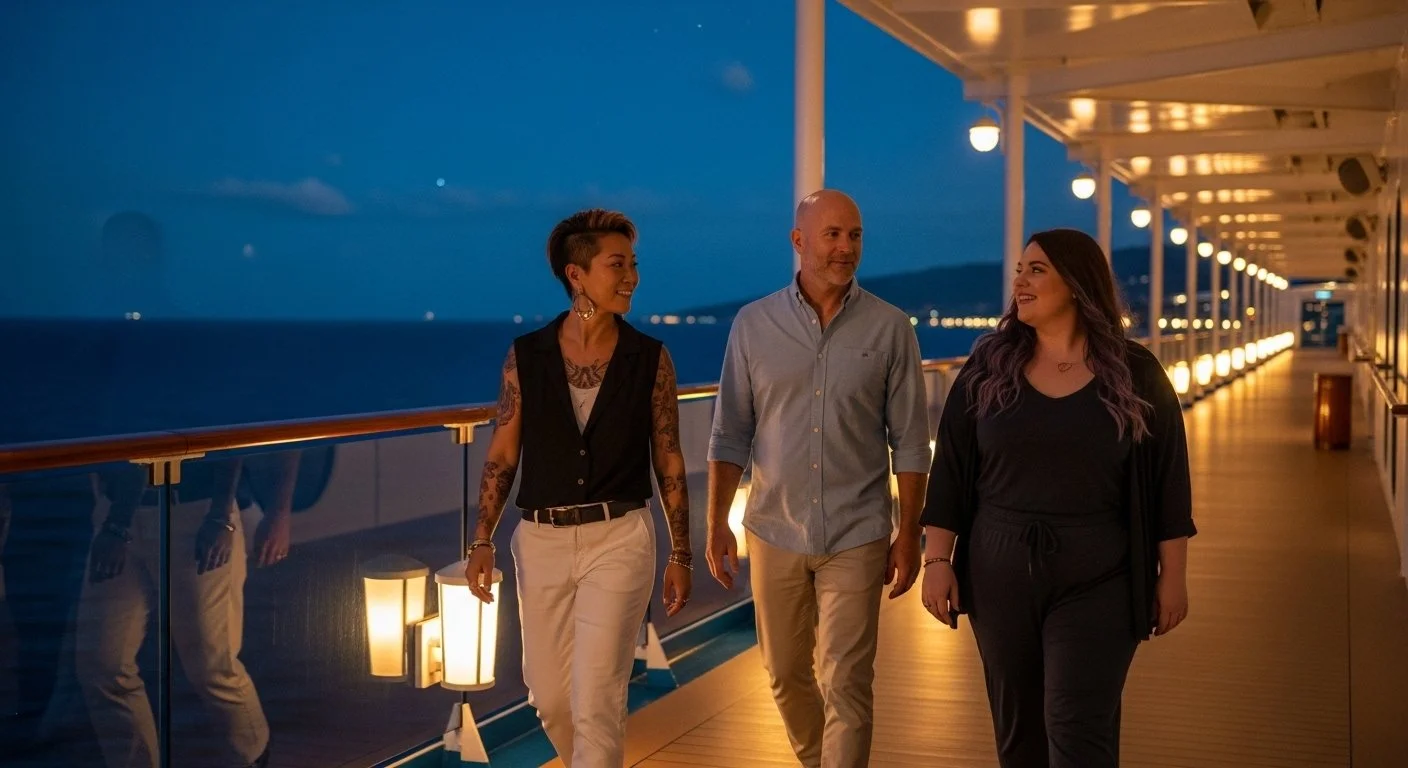
They build relationships that change their trajectory. The colleague who becomes a real collaborator. The peer who becomes an accountability partner. The stranger who turns into one of the most important professional relationships of their life - forged over a shared excursion or a late conversation on a ship deck. These connections don't happen in a Zoom room. They happen when people are genuinely together, over time, in a place that isn't anyone's home turf. If you're thinking about how to design for these moments intentionally, this post has 20 practical ways to do it.
They remember who they are. This sounds soft. It isn't. One of the quiet crises of professional life is how easy it is to lose track of yourself in the doing of it - in the client work, the deliverables, the constant output. A retreat is one of the few contexts where the work stops and the person gets to surface. People come back from retreats remembering things about themselves they'd misplaced. That remembering tends to be durable in a way that a single good coaching session or a motivating podcast episode rarely is.

WHY THE SHIP MATTERS MORE THAN YOU'D THINK
The environment that produces these shifts isn't just "somewhere nice." It's somewhere genuinely removed - where the ordinary world gets physically smaller and the space to think, feel, and connect gets larger.
A ship at sea does something that almost no land-based venue can replicate. The boundary between the retreat and real life isn't just social or logistical - it's literal. You're on the water. The port disappears behind you. And in that physical removal, something releases in people that makes the transformation not just possible but almost inevitable.
The unstructured moments on a ship are often the most powerful ones. The conversations that happen at the rail watching the sun go down. The shore excursion that turns into a two-hour conversation about what someone really wants. The late evening in a lounge where nobody has anywhere to be. These moments don't appear on the agenda. But they're often the ones people describe when they try to explain why they came back different.
THE REASON IT LASTS
Here's the last piece, and it's an important one.
Retreat transformation lasts not because of what happened in the room, but because of the shared experience that surrounds it. When you've been somewhere extraordinary with a group of people - when you've laughed together, worked hard together, watched a sunrise from a ship deck together - you carry each other forward. The community becomes the accountability. The shared memory becomes the evidence that change is possible.
That's why the coaches whose clients stay longest aren't always the ones with the best curriculum. They're the ones who created a shared experience their clients can't stop talking about.
The retreat doesn't just deliver value in the room. It delivers value for months - sometimes years - after everyone goes home. If you want to understand exactly how that return shows up and how to measure it, we broke it down here.
Thinking about what a retreat could look like for your group? We'd love to help you design one worth coming back from. Book a free discovery call here.