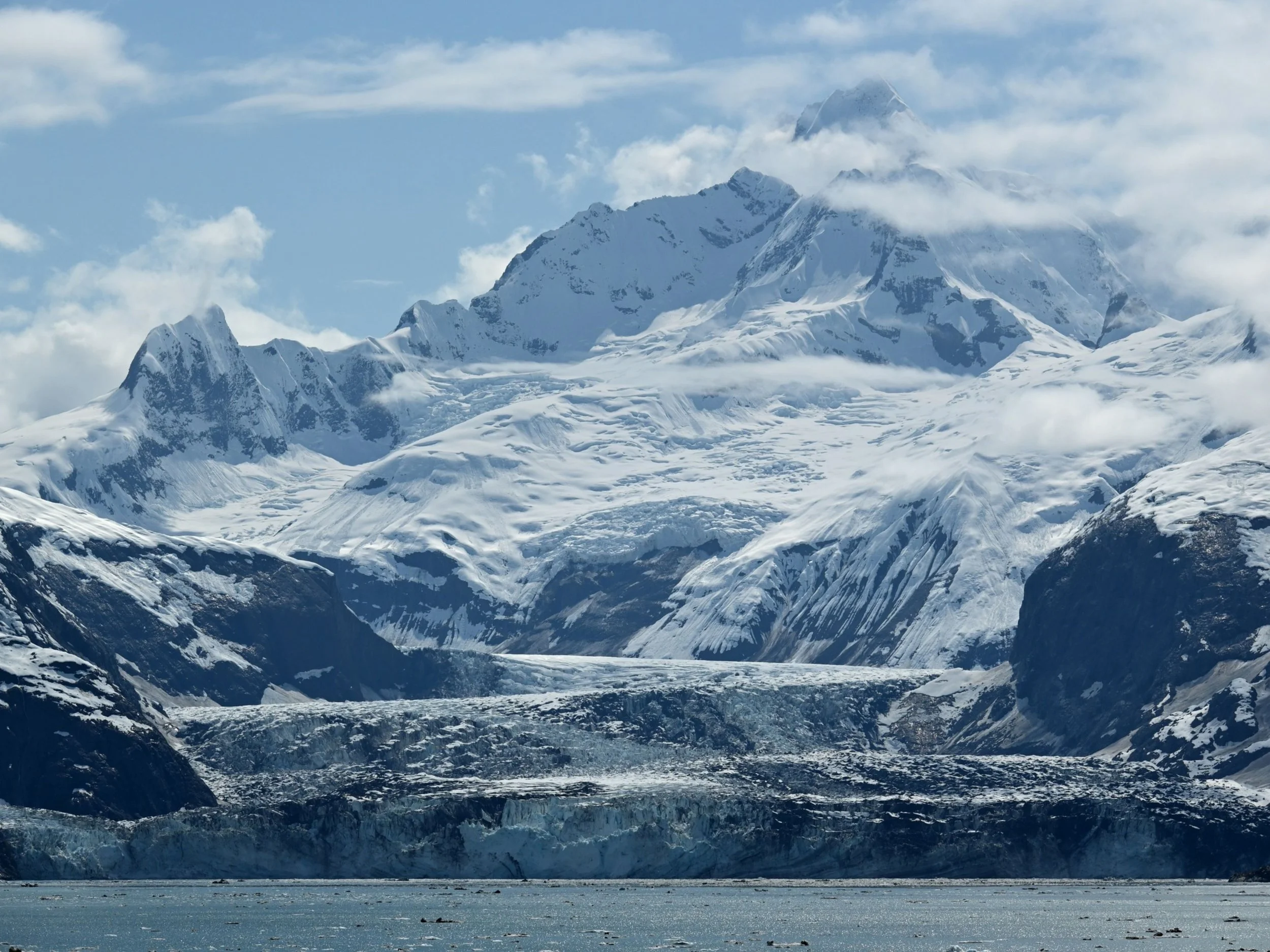
Photo courtesy of Cai Photography @ Unsplash
There's a moment on a Glacier Bay National Park scenic cruising day - usually somewhere in the first hour - when people stop talking.
The ship moves deeper into the bay, the mountains close in on both sides, and the scale of what you're looking at starts to register. This isn't scenery you can process quickly. The glaciers are enormous. The silence between the sounds - the creak of ice, the occasional crack of a calf breaking loose - has a particular quality. And the feeling that you are very small in the presence of something very old tends to settle over the deck without warning.
We haven't been there yet. It's at the top of our list for our next Alaska trip, and our first travelers are heading there in 2028. What we know, we know the way good advisors know things: through research, through the accounts of people who've been, through the science and the history and the logistics. We'll tell you what we know, and we'll tell you when we don't know something - which matters in a place that gets misrepresented as often as this one.
Here's what you actually need to know.
What Is Glacier Bay?
Glacier Bay National Park and Preserve sits in Southeast Alaska, about 50 miles northwest of Juneau. It covers approximately 3.28 million acres - roughly the size of Connecticut - and contains more than 1,000 glaciers, 62 of them named. Seven of those are active tidewater glaciers: glaciers that flow all the way to the sea and calve directly into the water.
The park is part of a larger UNESCO World Heritage Site that spans the Alaska-Canada border, covering about 24.3 million acres. It's also a World Biosphere Reserve. The designations reflect something that the numbers alone don't quite capture: Glacier Bay is one of the most significant ecological and geological sites on Earth.
Here's the fact that tends to reframe everything else: about 250 years ago, Glacier Bay didn't exist. The entire area - all 65 miles of water you sail through today - was buried under a single massive glacier. Then, in what scientists describe as the most dramatic documented large-scale glacial retreat in recorded history, the ice began pulling back. It has been retreating ever since, exposing land that hasn't seen daylight in thousands of years. The glaciers have retreated approximately 60 miles from where they once stood.
You are not just looking at glaciers. You are watching, in geological real-time, the aftermath of an extraordinary transformation.
The park is also the ancestral homeland of the Huna Lingít - the Huna Tlingit people, who were displaced when the glaciers advanced and who returned as the ice retreated. Their relationship to this land is ancient and ongoing. The National Park Service works with Huna Tlingit tribes on co-stewardship, and there is a Huna Tlingit clan house, the Xunaa Shuka Hit, at Bartlett Cove with cultural programs. On many cruise ship days, a Huna Tlingit cultural guide boards alongside the NPS rangers.
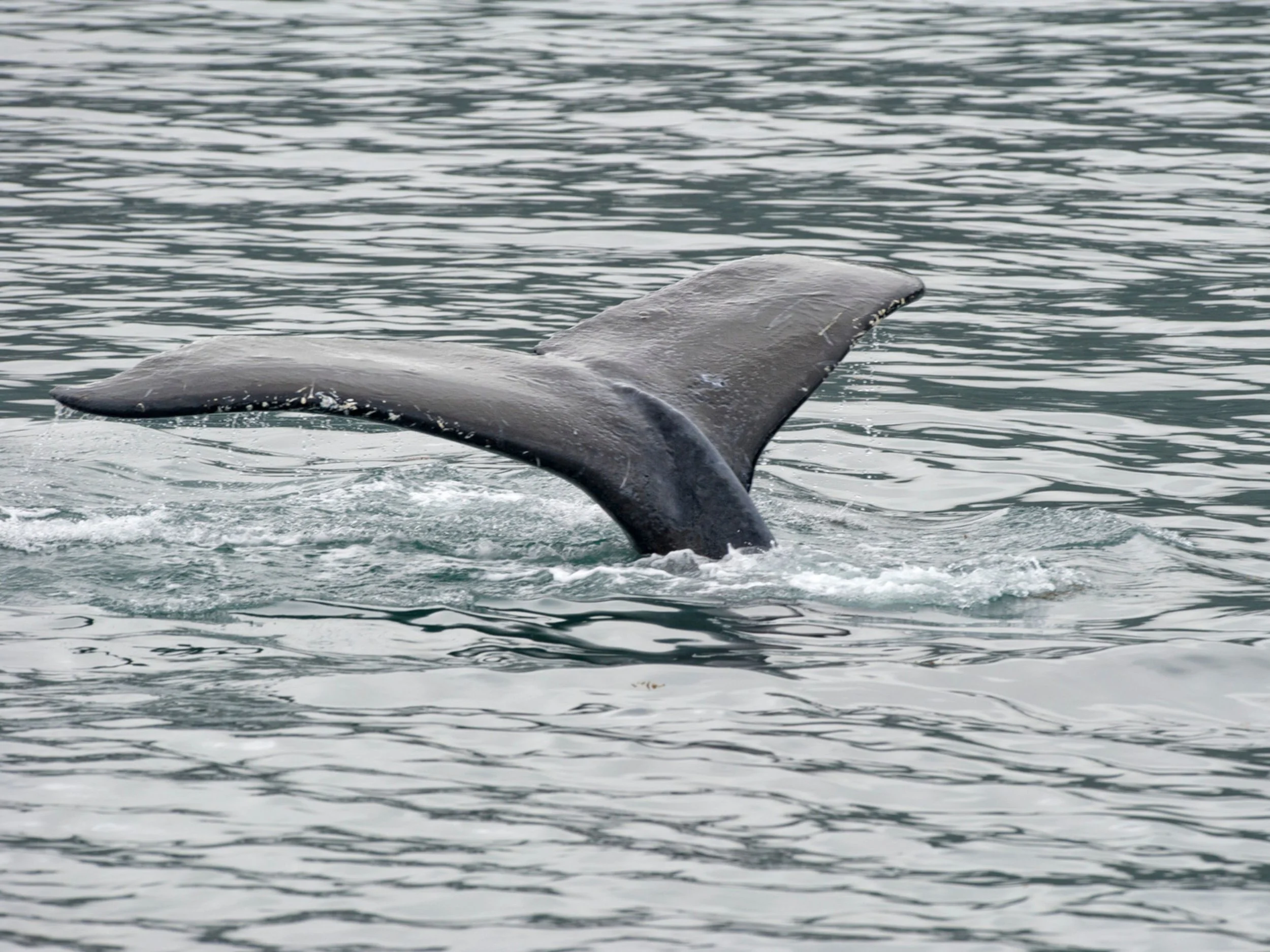
The wildlife is real and present: 46 mammal species, 247 bird species, humpback whales that come in large numbers in summer to feed, harbor seals, Steller sea lions, brown bears, sea otters, puffins. But we want to be clear about something - the wildlife is wild. You may see humpbacks surfacing alongside the ship. You may see a brown bear on the shore. You may see none of these things. Glacier Bay is not a wildlife park with guaranteed sightings. What it offers is the genuine thing, in its own time, on its own terms. That's different from a safari, and in some ways it's better.
Who Is Glacier Bay For?
The honest answer is: almost everyone who visits Alaska should consider making Glacier Bay part of their itinerary. But what you get from it, and what you need to be ready for, depends on who you are as a traveler.
Here's how we think about it by travel type - and if you haven't taken our cruise personality quiz to find yours, that's a good starting point.
Latitude travelers - if you travel for awe - to feel genuinely small in the presence of something genuinely vast, there is nowhere better. The scale is the point. Standing near the face of a tidewater glacier, watching ice that formed thousands of years ago break off and fall into the sea, is the kind of moment that stays with people. This is not something you can replicate anywhere else on Earth.
Anchor travelers - families and groups who travel for shared memory-making - Glacier Bay delivers a rare thing: an experience that lands the same way for a ten-year-old and a seventy-year-old. The glacier calving is dramatic. The Junior Ranger program runs on board. The moment when the ship goes quiet and everyone on deck is watching the same thing, together - that's the shared memory you came for.
Current travelers - the ones who want to understand a place, not just see it - Glacier Bay is richer than it looks. The glacial history is extraordinary. The Huna Tlingit story - displacement, return, co-stewardship - is one of the most resonant human narratives in Alaska. The ecology of a place that's been covered in ice for millennia and is now experiencing rapid change is genuinely fascinating. Find the NPS ranger. Ask questions. This day rewards intellectual curiosity.
Meridian travelers - the ones who want to get close, to do, to earn the experience - Glacier Bay is worth checking expedition options for. Some smaller ships stay overnight and put passengers ashore for kayaking or hiking. Getting on the water in a Zodiac near a glacier face is a different experience than watching from a ship deck. If you're on a ship that offers it, book it.
Zenith travelers - the ones who want beauty without friction, luxury without compromise - Glacier Bay delivers silence and scale on a level that's hard to find anywhere. The day is unhurried. There is nowhere else to be. The glacier will do what the glacier does, and all you have to do is be present for it. That is, in its own way, a profound luxury.
When Is the Best Time to Go?
The cruise season in Glacier Bay runs from May through September - the park's visitor center, lodge, and tour services operate only during those months.
A few things worth knowing about timing:
May and June are the driest months and offer the longest days. The light in Southeast Alaska in June is extraordinary - it barely gets dark. Wildlife is active. The glaciers are present. The crowds, by Alaska cruise standards, are lighter earlier in the season.
July and August are peak season - warmest temperatures (daytime highs in the 50s and 60s°F, so still bring layers), most wildlife activity, and the highest number of ships. Humpback whale sightings tend to be strongest in summer. Johns Hopkins Inlet, one of the most dramatic sections of the bay, opens to cruise ships in late summer after harbor seal protections end.
September brings more rain and shorter days, but also dramatic fall light and lighter crowds. The park remains beautiful and far less visited.
One thing that doesn't change: pack for cold and wet regardless of when you go. Southeast Alaska is a temperate rainforest. Even in July, mornings on deck while approaching the glaciers will be cold. Layers, a good rain layer, and binoculars are the essential kit.
Where Exactly Is It?
Glacier Bay is about 50 miles northwest of Juneau by air, and accessible by sea or small plane - there are no roads into the park. The small town of Gustavus sits near the park entrance at Bartlett Cove and has a small airport, a lodge, and a cluster of local businesses.
For cruise passengers, the experience is entirely by ship. You enter the park through Sitakaday Narrows, travel north up the bay for more than 60 miles, and spend roughly 9 to 10 hours inside the park before sailing back out. The ship visits at least one tidewater glacier - typically spending about an hour at the glacier face - and passes through some of the most spectacular fjord scenery in Alaska along the way.
The park is not a port in the traditional sense. There is no dock, no tender, no going ashore (unless your ship offers expedition landings). The experience happens on deck.
Why Go?
Here's the case, plainly:
Glacier Bay is a UNESCO World Heritage Site and one of the most geologically significant places on the planet. The glacial retreat you're witnessing - 60 miles in 250 years - is the most dramatic documented example of its kind in recorded history. The landscape is actively changing, which means what you see now is not what anyone saw fifty years ago, and not what anyone will see fifty years from now.
The two-ships-per-day permit limit means you will never round a corner in Glacier Bay and find eight massive ships already there. The bay stays quiet. The experience stays intimate. By design and by law, that’s not something that can change.
And the day is different from every other day on an Alaska cruise. There is no port, no tender, no excursion decision to make. The ship moves, and Alaska unfolds. It is, by most accounts, the day people talk about longest when they get home.
Is it guaranteed to be perfect? No. Southeast Alaska weather is real. Wildlife sightings are not guaranteed. Some days are overcast, some are crystal clear. But the glaciers are always there, and the scale is always extraordinary, and the quiet - that particular quality of quiet - tends to show up regardless of the weather.
What Actually Happens on a Glacier Bay Day
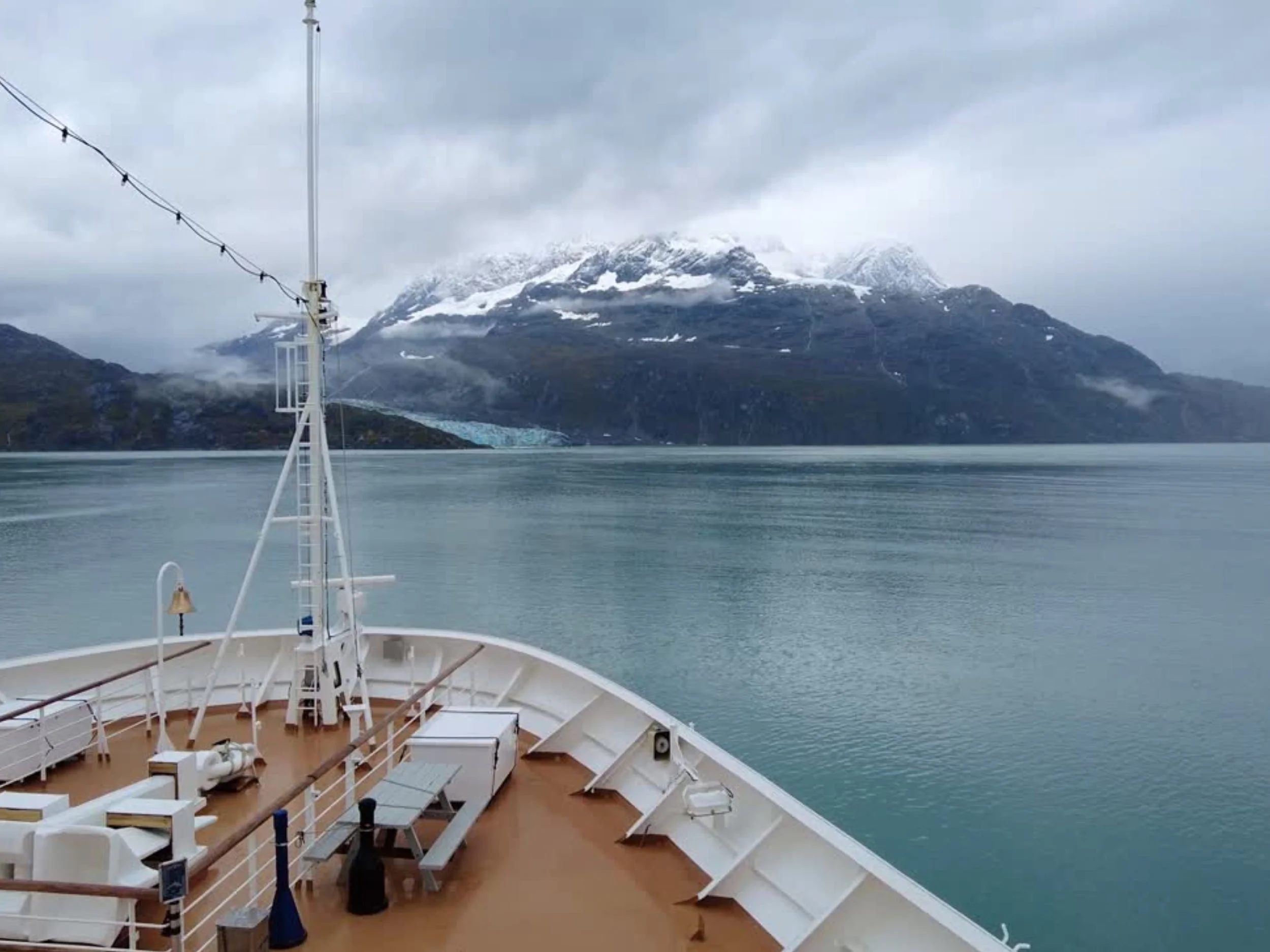
Some useful knowledge for your Glacier Bay National Park scenic cruising day.
The evening before: A map of the park is delivered to your stateroom. This is worth reading. It orients you to what you'll be sailing through and where the key features are.
Early morning: A National Park Service ranger boards the ship at the park entrance - often before most passengers are awake. In many cases, a Huna Tlingit cultural guide boards alongside them.
Throughout the day: The ranger offers narration over the ship's PA system as you move through the park - the glacial history, the ecology, the Huna Tlingit story, what you're looking at and why it matters. This narration is worth listening to. It's the difference between watching something extraordinary and understanding it.
The ranger also sets up a desk in one of the ship's main viewing lounges, where passengers can ask questions, get the NPS cancellation stamp, and browse publications from the Alaska Geographic bookstore. Find the desk. The rangers are knowledgeable, they love this park, and a conversation with them will make the rest of the day better.
If the ship slows or stops unexpectedly: Don’t be alarmed - and don’t assume something is wrong. Ships in Glacier Bay (and at other glaciers like Hubbard) sometimes hold position for extended periods. It may be that a small expedition vessel is being launched or retrieved, that the captain is waiting for the right moment to approach the glacier face, or simply that everyone on the bridge has decided this particular view deserves more time. What can feel like a long, unexplained pause from inside the ship is usually intentional. Go up on deck, find out what’s happening, and enjoy it - the stillness is often the point.
At the glacier face: The ship slows and positions itself near the face of one of the tidewater glaciers - typically Margerie Glacier, one of the most active calving glaciers in the park. The ship stays for roughly an hour. This is when the deck fills up. The glacier face is massive - Margerie stands about 250 feet tall at its face. The ice is blue in a way that photographs only partially capture, because the blue comes from the compression of thousands of years of snow and the way the ice absorbs red light and reflects blue.
Calving - when chunks of ice break off the glacier face and fall into the water - happens unpredictably. The sound arrives before you expect it: a crack like a gunshot, then a low rumble, then the splash, then the wave. People around you will go quiet when it happens. You probably will too.
The afternoon: The ship turns and begins the transit back out of the park. The rangers depart in the afternoon. The scenery continues. This is a good time to go back to the ranger desk, have a meal, or simply sit on the deck and watch the mountains move past.
What to do: Be on deck early. Bring binoculars. Bring your camera. Dress for cold - even in summer, the glacier air is cold. Watch the water as much as the glaciers; humpbacks and other wildlife often appear in the channels. And find the ranger. Seriously, find the ranger.
How to See Glacier Bay (And What to Look for in an Itinerary)
Not every Alaska cruise includes Glacier Bay. The two-ships-per-day permit limit means space is genuinely constrained, and not every itinerary is routed through the park. Here's what to look for:
Confirm Glacier Bay is explicitly named in the itinerary. "Glacier viewing" or "scenic glacier cruising" is not the same as Glacier Bay National Park. Many Alaska itineraries include other glaciers - Hubbard, Sawyer, Endicott Arm - which are spectacular in their own right but are not Glacier Bay. If the park matters to you, make sure the itinerary names it specifically.
Check the ship size. The two-ship daily limit means larger ships generally hold the allocated permits, while smaller ships may or may not have access in a given season. Some smaller expedition ships stay overnight and offer shore landings - if getting on the water or ashore is important to you, look for that specifically.
The Glacier Bay day tour boat from Gustavus. If your cruise itinerary doesn’t include Glacier Bay, the NPS-concessioned day tour is a serious option - not a consolation prize. Consider adding it to the start or end of your trip. The boat leaves Bartlett Cove each morning and travels 130 miles through the park over about seven hours, visiting up to four tidewater glaciers with an NPS ranger on board for narration and wildlife spotting. You’ll pass sea lion colonies, scan shorelines for bears and mountain goats, and spend at least half an hour at a glacier face watching ice calve. Getting to Gustavus requires a small plane from Juneau, but for travelers who want Glacier Bay and can’t get there by cruise ship, this is the real thing.
Talk to us. This is exactly the kind of itinerary question we exist to answer. Which lines include Glacier Bay, which itineraries are routed through the park, which ships offer the best on-deck experience for the glacier approach - we know this, and we keep it current. Reach out before you book.
Ready to find your Alaska traveler type? Our cruise personality quiz takes five minutes and helps us match you to the right ship, the right itinerary, and the right way to experience a day like this one.
Questions about Glacier Bay itineraries or Alaska cruise planning? We'd love to talk.