How to Create Champagne Experiences on a Beer Budget: 5 Strategies for Transformational Events in 2026-27
Planning season is here, and conversations around the water cooler (or in Slack channels) are sounding remarkably similar: teams, clients, and communities are hungry for meaningful in-person experiences - but the budget hasn't exactly grown to match that appetite.
If you're nodding along, you're not alone. According to recent industry data, event planners are facing mounting pressure to create standout experiences that justify ROI, all while working with constrained resources. The good news? You don't need a corporate-sized budget to deliver transformational events. You just need to think differently about how you design them.
Here's what the best events have in common: they're not built on bigger budgets. They're built on smarter design.
The Hidden Venue Solution Most Planners Overlook
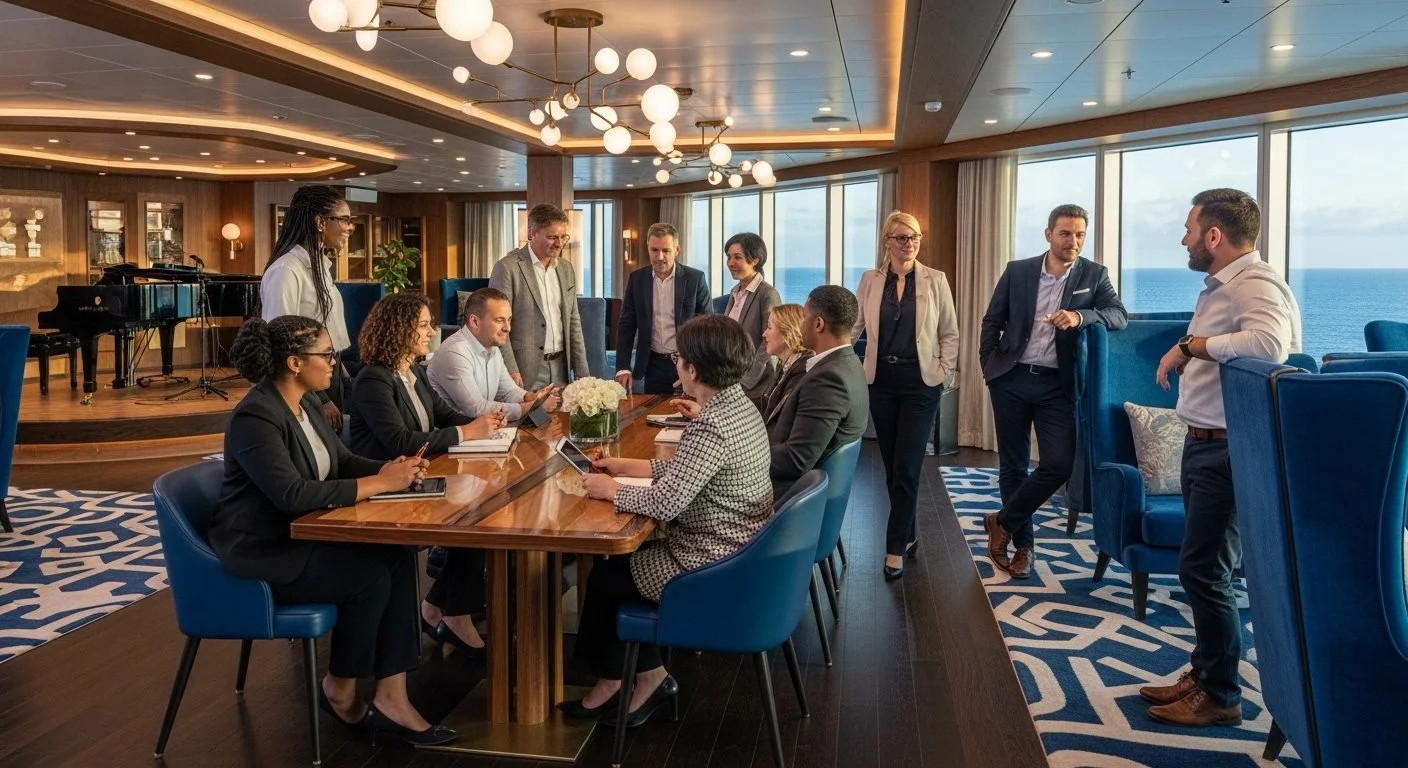
When most people think about event venues, they picture hotel conference centers, resort properties, or unique local spaces. But there's one venue type that rarely makes the list - despite offering some of the most compelling value propositions in the industry: cruise ships.
Before you dismiss this as "not for my group," consider what makes cruise-based events so remarkably cost-effective:
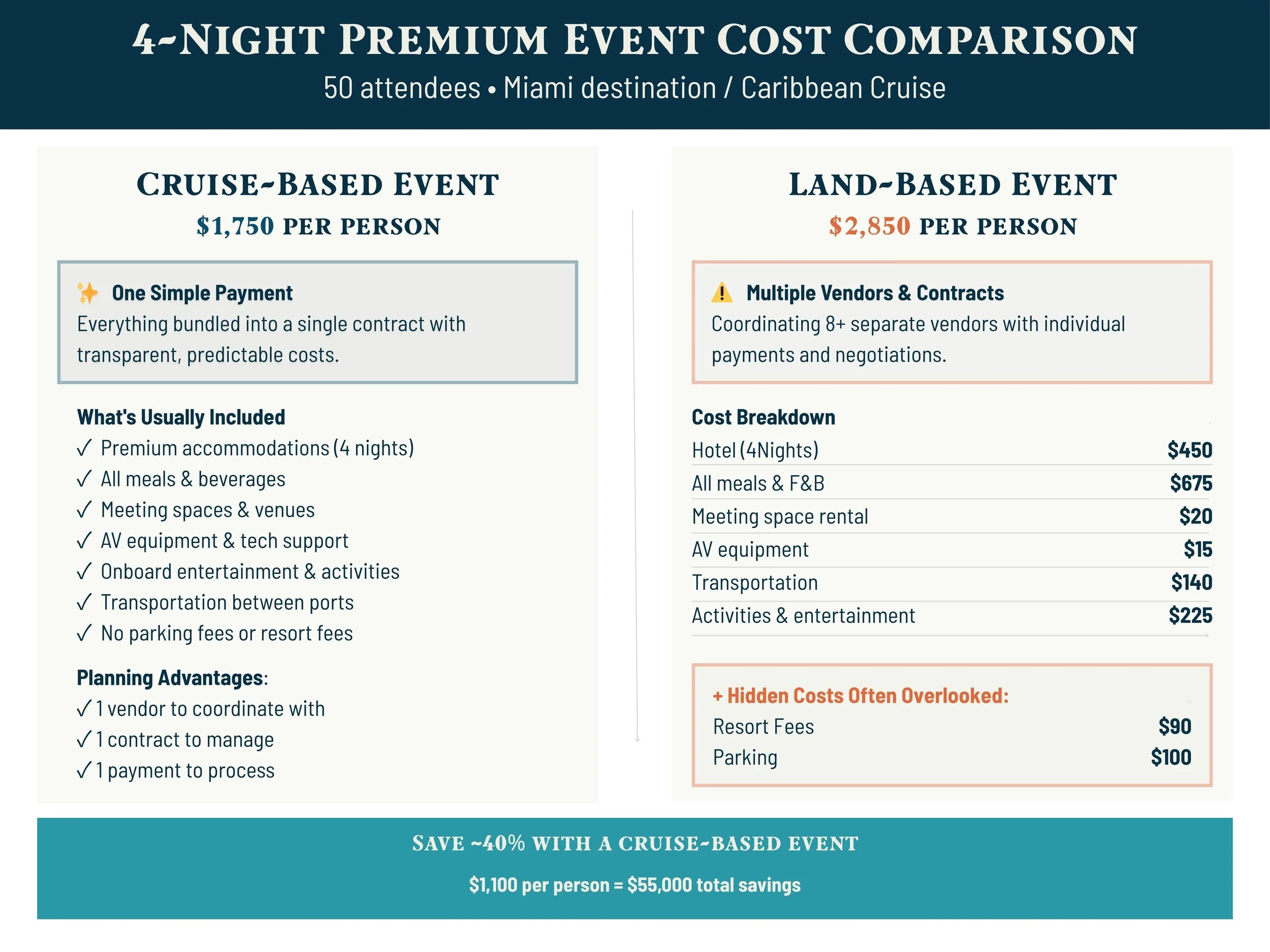
Your budget stretches 20-40% further than comparable land-based properties when you account for what's included: accommodations, meeting spaces, meals, entertainment, and transportation between destinations - all bundled into one contract.
Logistics consolidate dramatically. Instead of coordinating with separate vendors for catering, AV, venues, hotels, and transportation, you're working with a single point of contact (or better yet, a specialized planning partner who handles it all on your behalf).
Attendees unpack once and wake up in new destinations without the friction of travel days, airport transfers, or hotel check-ins. This means more time for your actual programming and fewer logistical headaches.
The environment itself creates transformation. When people are genuinely away from their day-to-day routines - surrounded by ocean, new horizons, and a change of scenery - they're more open to new ideas, deeper conversations, and meaningful connections.
The venue becomes part of the experience. Unique spaces, inspiring ocean views, and a built-in sense of occasion mean you don't need extra decor or production to make your event feel special.
But here's the thing: even if you never host an event on a cruise ship, the strategic thinking behind why they work so well can transform any event you plan.
5 Strategies for Maximum Impact Without Maximum Spend
Whether you're considering a cruise-based event or planning something on land, these principles will help you create experiences people remember long after they've returned to their desks.
1. Start With Emotional Architecture, Not Operational Logistics
Most event planning begins with the practical questions: How many people? What dates? Which venue can fit everyone? But the most memorable events start somewhere else entirely - with the feelings you want to create.
Before you book a single room or send a single contract, map out the emotional journey of your event. What does arrival feel like? When do people need energy versus reflection? Where are the moments of surprise, connection, or inspiration?
A warm, personalized greeting costs nothing but shapes everything about how attendees perceive the care you've put into their experience. Thoughtful transitions between sessions - a carefully chosen playlist, a moment of silence before a big reveal, a walking break with a purpose - create rhythm and intentionality that no amount of budget can buy.
Design for the heart first, then build the operational framework around it. When you lead with emotion, every logistical decision becomes easier because you have a North Star guiding your choices.
2. Eliminate Friction Wherever You Can
Every time an attendee has to figure something out, make a decision, or navigate confusion, you lose engagement. Your job as an event designer is to remove every possible barrier between your attendees and the transformation you're trying to create.
This means:
Clear wayfinding that makes navigation effortless
Pre-planned meals that accommodate dietary needs without requiring attendees to hunt for options
Spaces that naturally invite the right kind of interaction (intimate corners for deep conversations, open areas for networking)
Pre-event communication that answers questions before they're asked
When people feel taken care of rather than managed, they show up fully. They engage more deeply with content, connect more authentically with each other, and leave with a stronger sense of value. And the beautiful thing? Most friction-reduction strategies don't cost money—they just require thoughtful planning.
3. Build in Breathing Room
One of the most common (and costly) mistakes event planners make is overprogramming. We pack the schedule so tightly with valuable content that we inadvertently squeeze out the most valuable thing of all: space for organic connection.
Transformation doesn't just happen on the agenda. It happens in the margins - in the coffee break that runs fifteen minutes long, in the unstructured evening where people gather organically, in the walking conversation that turns into a breakthrough idea.
Schedule intentional white space. Give people time to process what they're learning, to have the conversations they need to have, to simply breathe. Your instinct might tell you that empty time equals wasted time, but attendees consistently report that these unstructured moments deliver some of the highest value.
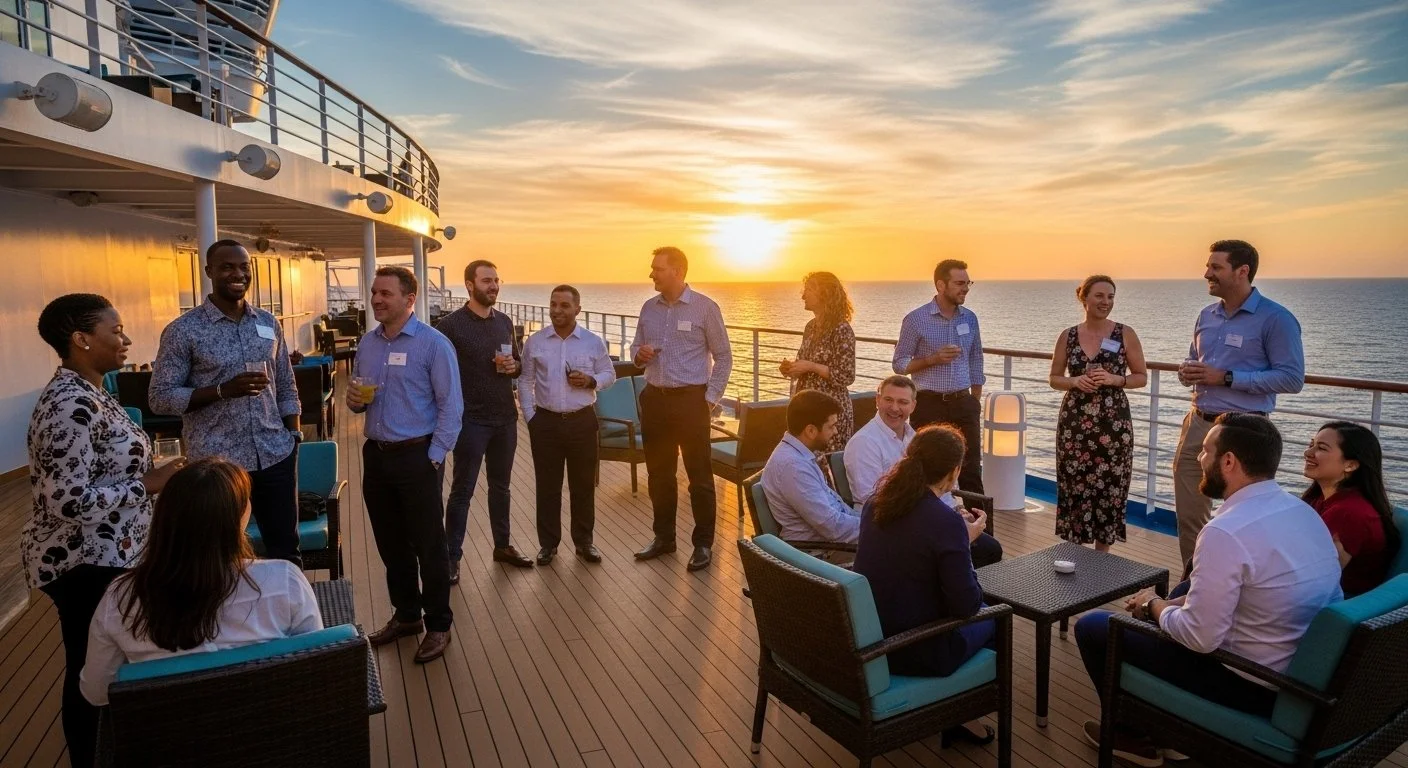
Event organizers consistently hear from attendees that their most valuable conversations happened during unscheduled moments - on balconies at sunset, over extended coffee breaks, during spontaneous late-night discussions. These organic connections often become the moments people reference months and years later when they talk about why an event mattered.
Don't let your programming crowd out those moments.
4. Let Attendees Invest in Their Own Experience
Not every improvement to your event needs to come from your base budget. When you offer optional upgrades, you create two powerful things: additional revenue and deeper attendee investment.
Consider creating tiered experiences:
VIP packages with premium perks like priority seating, exclusive dinners, extended networking receptions, or private coaching sessions
Add-on workshops or experiences that dive deeper into specific topics for those who want more
Extended-stay opportunities that let people arrive early or stay late for additional programming
When people choose to invest more in an experience, they don't just get more value - they become more committed and engaged throughout. They're more likely to participate fully, connect authentically, and become advocates for future events. Plus, these upgrades can fund baseline improvements for everyone, creating a rising tide that lifts all boats.
At the same time, consider creative partnerships with sponsors who want to underwrite elements that genuinely enhance attendee value - a wellness lounge, premium coffee bar, or immersive learning zone. The key is making sure sponsored elements feel like gifts, not advertising.
5. Make Your "Why" Visible in Every Detail
If your event exists to spark innovation, that should show up in how you structure sessions, the language you use on signage, even your catering choices. If it's about community, create rituals that reinforce belonging - maybe a group toast at dinner, a shared activity that gets everyone's hands literally working together, or a closing ceremony that honors what you've built.
Every touchpoint is an opportunity to reinforce your core purpose. When done well, this alignment is subtle but powerful. Attendees may not consciously notice that every element supports your mission, but they'll feel it. And when people feel your mission rather than just hear it, they don't just attend - they belong.
This is where cruise-based events have a particular advantage. The very nature of being at sea - removed from daily distractions, surrounded by new horizons - reinforces messages about transformation, exploration, and shared journey in ways that a hotel ballroom simply can't.
The Real Cost of Not Investing in Transformational Experiences
Here's what's at stake when you default to "safe" event planning: disengaged attendees, forgotten content, and missed opportunities for the kind of connection that actually moves your business forward.
Recent research shows that 78% of professional event benefits disappear within 72 hours when the experience doesn't create lasting emotional impact. That's not just a disappointing statistic - it's a waste of the resources you've already invested.
In contrast, transformational events create memories and relationships that extend far beyond the event itself. When you prioritize emotional design, eliminate friction, and align every detail with your purpose, you're not just planning an event - you're creating an inflection point for your team, clients, or community.
Why Timing Matters (Especially for Cruise-Based Events)
If you're intrigued by the idea of hosting your event on a cruise ship, here's what you need to know about timing: to secure the best rates, itineraries, stateroom options, and onboard venues, you should be planning (at minimum) 9-12 months out minimum.
The good news? 2027-28 itineraries just opened up, and there are still some excellent late-2026 options available. But those prime dates are filling quickly as more groups discover what we've known for a while: cruise ships offer an unparalleled combination of value, convenience, and built-in wow factor.
Working with a specialized planning partner (like us!) means you don't have to navigate the complexities of cruise contracts, group bookings, or onboard logistics alone. We handle the details so you can focus on what matters most - your content, your people, and your goals.
Your People Are Asking for More. Here's How to Deliver It.
Whether your next event is at sea, at a resort, or in a local venue, the principles remain the same: lead with emotion, eliminate friction, create space for connection, invite investment, and align every detail with your purpose.
These aren't just nice-to-haves. In a world where people are more selective about which events deserve their time and attention, these elements are what separate forgettable gatherings from transformational experiences.
Your people are asking for more meaningful time together in 2026-27. More connection. More inspiration. More transformation. The question isn't whether you can afford to give them that - it's whether you can afford not to.
Ready to Explore What's Possible for Your 2026-27 Event?
Whether you're curious about hosting your next retreat, summit, or community gathering at sea - or you simply want expert guidance on making your land-based event more transformational - we're here to help.
Here's what to do next:
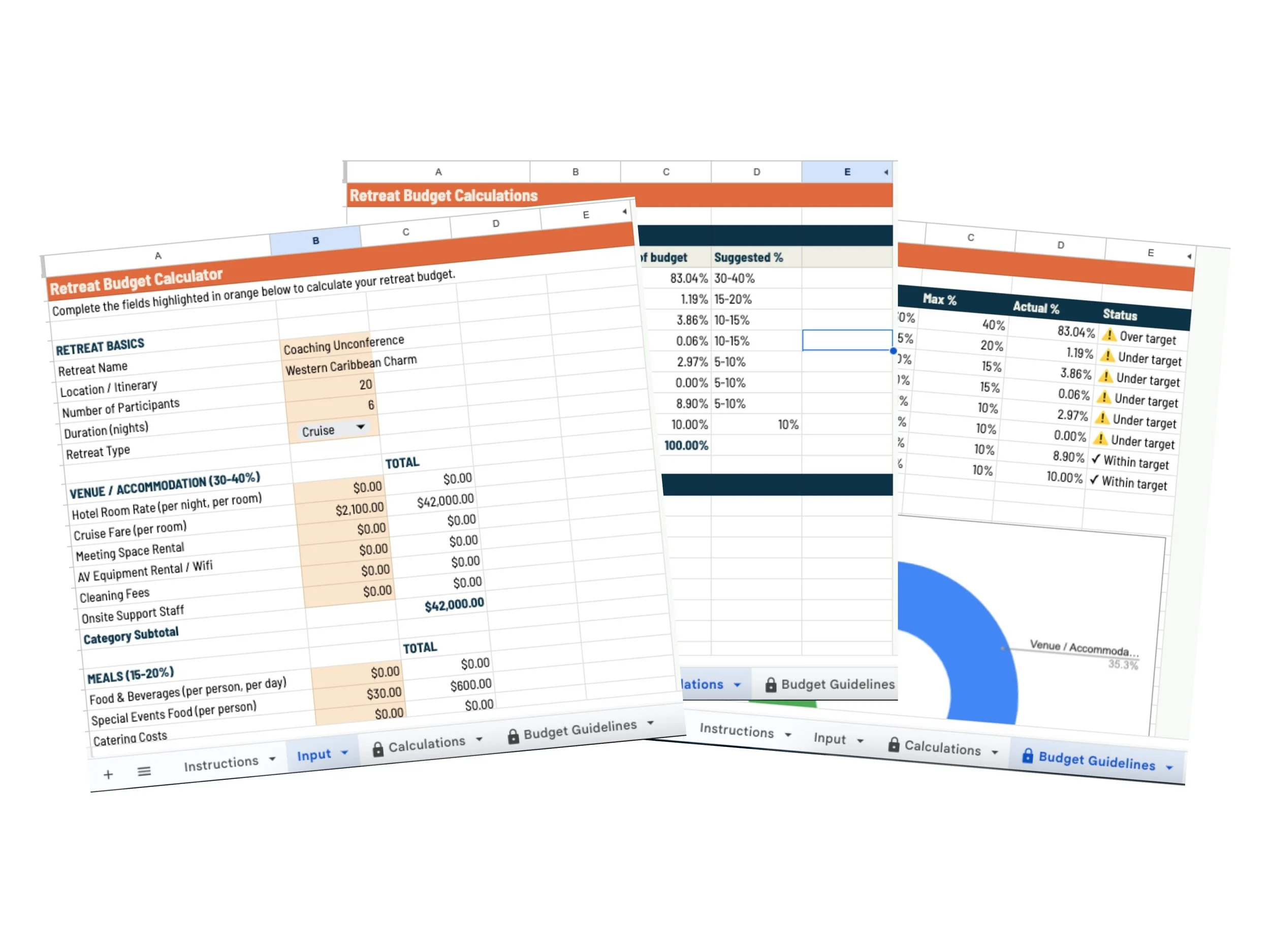
📥 Download our ROI Calculator to see exactly how cruise-based events stack up against traditional venues (plus our planning timeline for maximum savings)
📞 Book a complimentary discovery call to talk through your 2026-27 vision, challenges, and what success looks like for your event
Not sure if a cruise ship is right for your group? That's exactly what our discovery call is for. We'll talk through your specific goals, constraints, and audience needs -
and help you find the solution that fits, whether that's at sea or on land.
Your 2026-27 event doesn't have to choose between impact and budget. Let's prove it together.