The Secret to Stress-Free Group Travel: What My Sisters Taught Me About Planning Together

Hi! I'm Wendy, one half of the Untethered Voyages team, and I'm taking over the blog this week to talk about something that's on a lot of minds right now: group travel. Specifically, how to make sure you have an amazing trip even when you're traveling with people you don't normally travel with - or haven't traveled with in years.
The holiday season and new year bring something special: that collective urge to plan trips. Whether it's a corporate retreat in the summer, a milestone birthday cruise, or a long-overdue family reunion, chances are you're coordinating travel with people whose travel styles are completely different from yours.
I experienced this firsthand on a recent trip with my sisters. Virgin Voyages was launching their new ship, Brilliant Lady, in NYC, and we needed to tour it for our clients - to experience the ship, gather intel, and capture photos and videos for people interested in group cruises. One sister and I road-tripped up from Baltimore for the ship tour, and Elizabeth (my co-founder and other sister) met us the next day via train.
What started as a work trip turned into a full sister adventure. My sister who drove with me is one of Untethered Voyages' biggest supporters - she was there to photograph, give honest feedback on the ship and experiences, keep me company, and generally be an extra set of hands during the tour. Elizabeth arrived after we'd finished our business reconnaissance, and then all three of us switched into Broadway mode (something we all love) and spent the rest of the trip soaking up live theater.
It was wonderful. And like any group trip, we learned some things about how we each approach travel - nothing dramatic, just those small moments where you realize, "Oh, we do this differently." Elizabeth and I have traveled together countless times and have our rhythm down - we have nearly identical travel styles. But bringing our third sister into the mix? That was newer territory for all of us.
Those realizations got me thinking about all the group trips we plan for clients and the conversations that make the difference between a good trip and a great one. Now that we're all firmly in our travel era, I'm excited for many more sister trips ahead - especially now that we understand how we each approach a journey.
Here's what I learned: the success of group travel isn't about finding people who travel exactly like you. It's about having honest conversations before anyone books a flight.
The Pre-Trip Conversation You Can't Skip
Here's what most groups do: someone suggests a destination, everyone gets excited, and suddenly you're booking without discussing the details that actually matter. Then you're standing in a hotel lobby at 6 AM while half your group is still asleep, or you're frantically searching for dinner reservations because nobody planned anything, or someone's quietly disappointed because they never got to do the one thing they really wanted.
The solution? Talk about it first. Really talk about it.
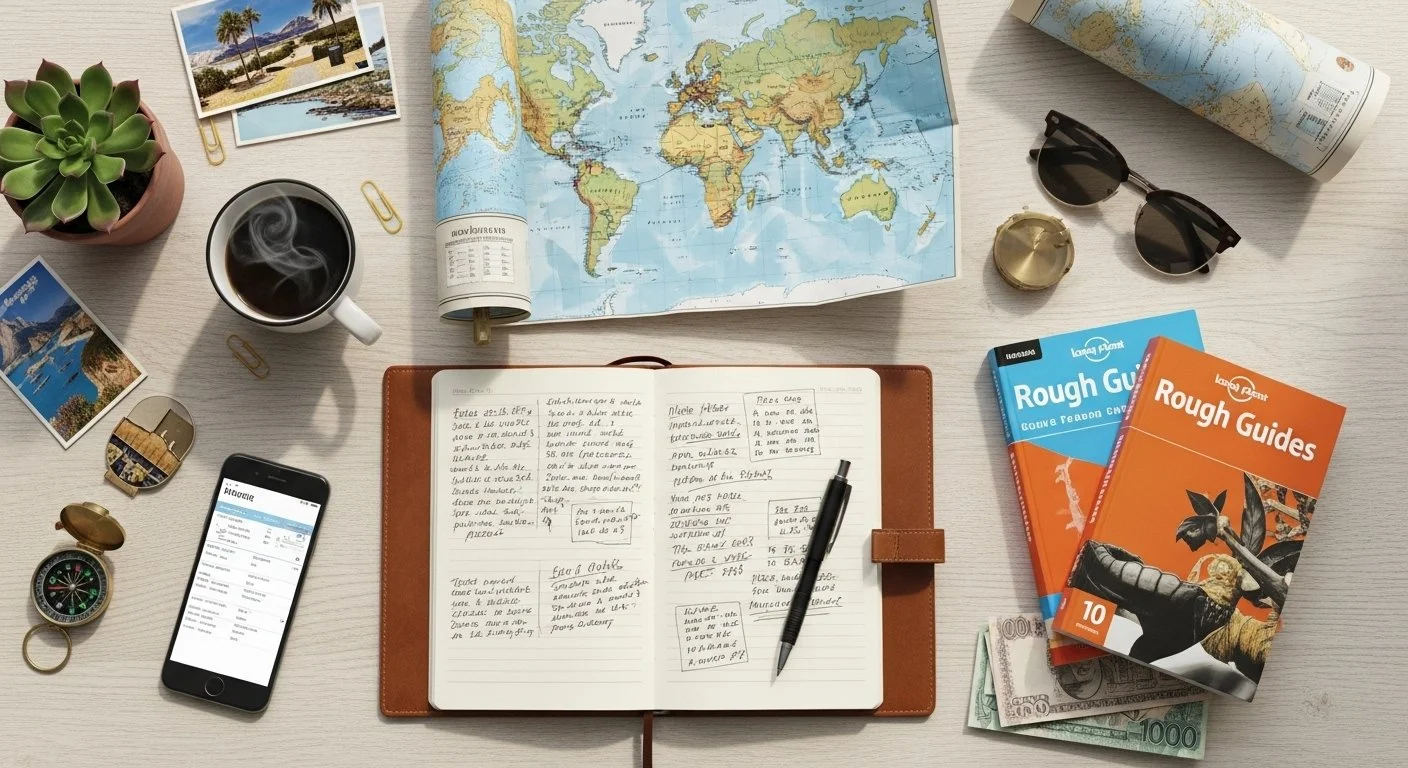
Travel Styles: There's No "Right" Way to Explore
Some people wake up energized and ready to maximize every moment. Others prefer a slower pace with room to breathe. Some travelers see a trip as a chance to push boundaries and try everything new. Others find joy in returning to favorite spots and savoring the familiar.
None of these approaches is wrong - they're just different. The problem comes when we assume everyone in our group shares our travel philosophy.
Before your trip, have a conversation about what energizes each person. Does someone need downtime to recharge, or do they get restless without activity? Is anyone hoping to check specific experiences off their list, or are they happy to go wherever the group decides? Are there non-negotiables for anyone - maybe a certain restaurant, an early morning activity, or quiet evenings?
These aren't small details. They're the difference between a trip where everyone feels seen and one where resentment quietly builds.
The Planning Spectrum: Structure vs. Spontaneity
I've met travelers who have color-coded itineraries ready six months in advance. I've also met travelers who book a flight and figure out the rest when they land. Most of us fall somewhere in between, but we often don't realize how differently we approach planning until we're in the thick of a trip.
The planner in your group might feel anxious without reservations and a loose schedule. The spontaneous traveler might feel constrained by too much structure. Both can coexist beautifully on the same trip - if you design it intentionally.
Consider creating a framework that includes both. Maybe you schedule one or two anchors each day - a dinner reservation, a key activity - but leave the rest open. Or you could alternate: structured days followed by completely open days. Some groups designate one person as the "daily planner" who takes the lead on organizing that day's activities based on everyone's input.
The key is discussing beforehand what level of planning makes everyone comfortable, then building your trip around that sweet spot.
This framework approach works beautifully for professional events too - see how we help groups maximize short cruise events.
The Budget Conversation Nobody Wants to Have (But Everyone Should)
Money is awkward to talk about. It's also one of the biggest sources of tension in group travel.
One person might be comfortable splurging on a nice dinner every night. Another might be carefully budgeting and hoping for more affordable options. Someone suggests an excursion that's exciting but expensive, and suddenly people are nodding along even though they're privately stressed about the cost.
Have the budget conversation early and honestly. What's the general spending range everyone's comfortable with? Are there specific splurges people want to prioritize? Are there areas where everyone's happy to save? Understanding the true costs and value of group travel experiences helps set realistic expectations from the start.
Consider how you'll handle shared expenses. Will you split everything evenly, or use an app to track who pays for what? What about activities - does the whole group need to do everything together, or is it okay if some people opt out of pricier experiences?
When everyone knows the financial parameters upfront, there's no guessing, no guilt, and no surprise tension over a dinner bill.

Morning Larks and Night Owls: Making Schedules Work
Your circadian rhythm isn't a personality flaw - it's biology. Some people naturally wake at dawn and fade by 9 PM. Others come alive after dark and struggle through mornings.
On a group trip, these differences can create friction if you don't address them. The early risers might feel like they're missing out waiting for others, while late sleepers feel rushed and grumpy being dragged out of bed.
Build flexibility into your schedule. Maybe morning people grab coffee and explore on their own before the group meets up. Maybe you plan your big group dinner a bit earlier so night owls can go out afterward if they want. The goal isn't forcing everyone into the same schedule - it's creating space for different rhythms to coexist.
The Quiet Voices: Making Space for Everyone's Input
Here's a dynamic that plays out on many group trips: some people are naturally vocal about what they want to do, while others are more likely to say "I'm fine with whatever" and genuinely mean it. Or think they mean it.
The challenge is that "going with the flow" can sometimes mean someone spends the whole trip doing things that don't excite them while never voicing their own interests. Then they go home feeling a bit deflated, even if they can't quite articulate why.
If you're organizing a group trip, create opportunities for everyone to contribute - not just the loudest voices. Send a message asking each person to share one thing they'd love to do or see. Frame it as building a wishlist together, not committing to everything.
Some people need permission to want something. Give it to them. Make it clear that having preferences doesn't make you high-maintenance - it makes you an active participant in creating a memorable trip. Professional retreat planners know this challenge well - getting input from all participants is crucial for event success.
And if you're someone who tends to defer to others, practice speaking up. Your travel companions probably want you to enjoy the trip as much as they do, but they can't read your mind.
The Introvert Factor: Honoring Different Social Batteries
Group travel is inherently social. You're together for meals, transportation, activities, and often even sleeping arrangements. For extroverts, this is energizing. For introverts, it can be draining - even when they're with people they love.
The solution isn't separating introverts and extroverts into different trips. It's acknowledging that people recharge differently and building that into your plans.
Maybe that means not scheduling every single moment together. Maybe it means having a quiet car ride or letting someone skip a group activity without guilt. Maybe it means understanding when someone says "I'm going to read in the room for a bit" that it's not personal - it's self-care.
When you normalize the need for alone time, everyone relaxes. Paradoxically, honoring people's need for space often makes the group time more enjoyable for everyone.
The Real Secret to Great Group Travel
After all these conversations - about planning styles and budgets and schedules and preferences—you might wonder if it's worth the effort. Wouldn't it be easier to just travel alone or stick with your tried-and-true travel buddy?
Maybe. But you'd miss something valuable.
Group travel, when done well, creates shared experiences that become part of your collective story. It deepens relationships in ways that regular life doesn't quite manage. And yes, it requires more communication upfront than traveling solo. But that communication is exactly what transforms a trip from "fine" to "fantastic."
The groups we work with who have the best experiences aren't the ones where everyone happens to travel identically. They're the ones who talked honestly beforehand, set some loose ground rules, and then gave each other grace when things didn't go exactly as planned. Whether it's a family trip or a professional retreat, the upfront conversation pays dividends throughout the experience.
Because even with all the preparation in the world, someone will sleep through their alarm, or it will rain on your beach day, or you'll discover that the restaurant everyone wanted to try is closed for renovations. The conversations you have before the trip don't prevent every hiccup - they build the foundation of understanding that helps you navigate those hiccups together.
Now that my sisters and I have figured out how we each approach travel, I'm looking forward to many more trips together. We know who needs coffee before conversation, who wants the itinerary, and who's happy to follow the group's lead. We know our rhythms. And honestly? That knowledge makes the prospect of future travel even more exciting.

Your Turn
Whether you're planning a work retreat, a family reunion cruise, or a friends' getaway, the same principle applies: invest time in the conversation before you invest money in the trip.
What's your best piece of group travel advice? What's worked well for your group, or what do you wish you'd known before a trip? Share your wisdom in the comments - we'd love to hear what's helped you create successful group travel experiences.