Why Group Retreats are the New Client Retention Strategy

Picture this.
It's six months after your retreat. You're on a renewal call with a client who has been working with you for two years. They're telling you about something that happened at the retreat - a conversation at dinner on the third night, something someone said during the afternoon session that they've been thinking about ever since. They're not describing the content you delivered. They're describing a moment. A specific, unrepeatable moment that happened because everyone was in the same place, present, with nowhere else to be.
And then they say: when are we doing it again?
That's retention. Not the contract. Not the program structure. Not the curriculum. The moment - and the relationship built around it - that makes leaving unthinkable.
Most retention strategies are built around the product. Better content, better tools, better onboarding sequences, better follow-up. All of those things matter. But they're missing the one ingredient that creates the kind of loyalty that actually lasts: shared experience.
THE RETENTION PROBLEM NOBODY TALKS ABOUT
Here's a number worth sitting with: acquiring a new customer costs five to twenty-five times more than retaining an existing one. And yet most organizations - coaching businesses, professional associations, small companies - spend the majority of their growth energy on acquisition. New leads, new members, new hires. The assumption, usually unspoken, is that if the product is good enough, people will stay.
But good enough isn't the same as irreplaceable. And in a market where your clients, members, and team members have more options, more information, and shorter attention spans than ever before, good enough is a leaky bucket.
A 2% increase in customer retention has the same financial impact as reducing costs by 10%. That's not a small number - it's the kind of shift that changes what a business can do.
The question isn't whether retention matters. It's what actually moves the needle on it. And the answer, increasingly, is this: shared experience at scale. The retreat.
WHAT RETREATS DO THAT NOTHING ELSE CAN
Think about the relationships in your life that feel most durable. The friends you'd call at 2am. The colleagues you'd follow to a different company. The community you can't imagine leaving.
Almost all of them have a shared experience at their core. Not a transaction. Not a subscription. A moment - usually more than one - where you were in the same place as someone else and something real happened.
Digital relationships are convenient. They're scalable. They're efficient. And they almost never go very deep. And depth is what retention requires.
Here's what a well-designed group retreat creates that a year of excellent digital programming rarely can:
It creates the moment that becomes the story. The shared experience that members, clients, and team members reference for months afterward. The inside joke, the breakthrough, the shore excursion that turned into something unexpected. These stories become the connective tissue of your community. They're what people describe when someone asks them why they're still in your program, still renewing their membership, still working at your company.
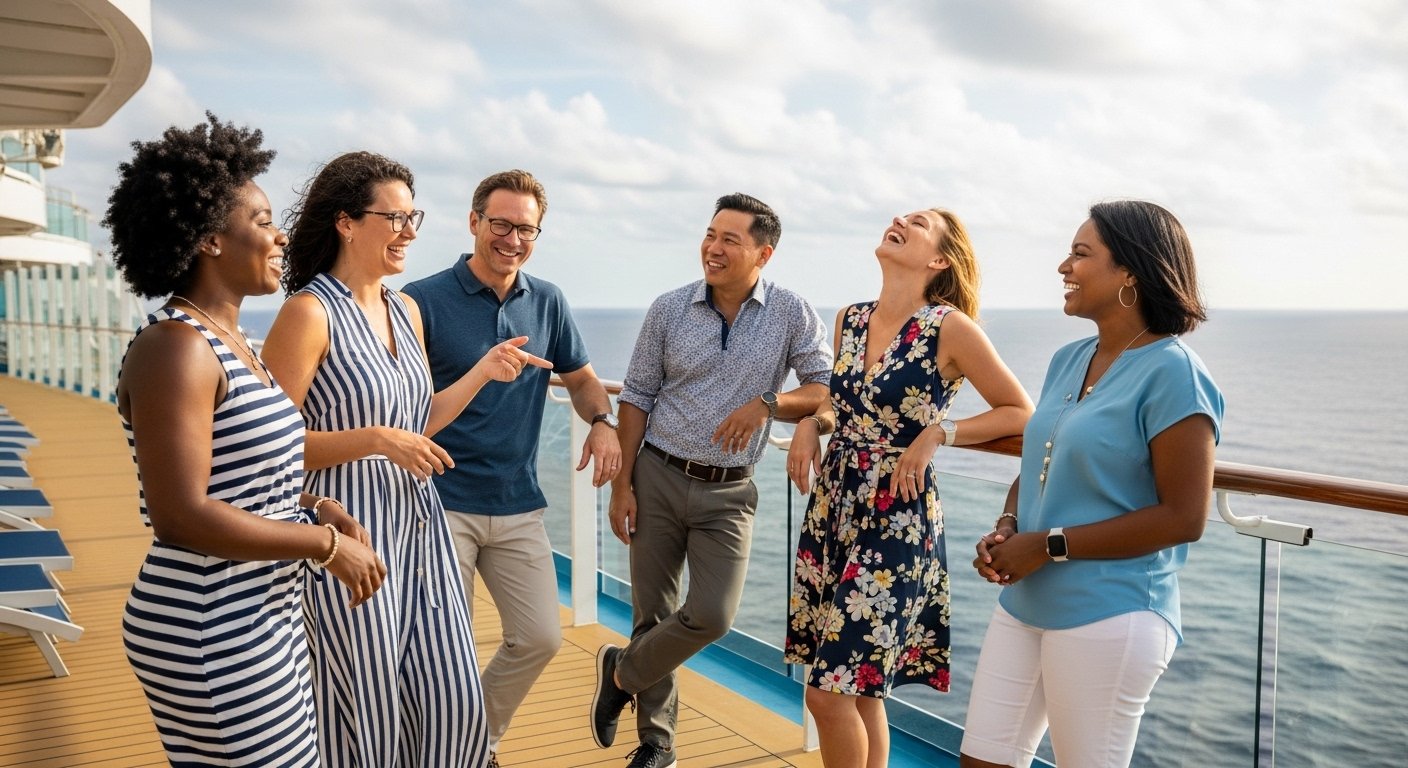
It creates relationships within the group, not just with you. This is the piece most leaders miss. When your clients know each other - really know each other, the way you only know someone after four days in a contained space - they're not just connected to you. They're connected to each other. Leaving means losing that. The community itself becomes a retention mechanism.
It creates a proof point that the investment is real. There's a difference between believing something is valuable and having evidence of it. A retreat is evidence. Your clients can point to it. Your members can describe it. Your team members can feel the weight of what it cost - in time, in money, in organizational intention - to create that experience for them. That investment signals something that a good onboarding email never quite can.
HOW IT WORKS ACROSS DIFFERENT GROUPS
The mechanics look slightly different depending on who you're leading, but the underlying logic is identical.
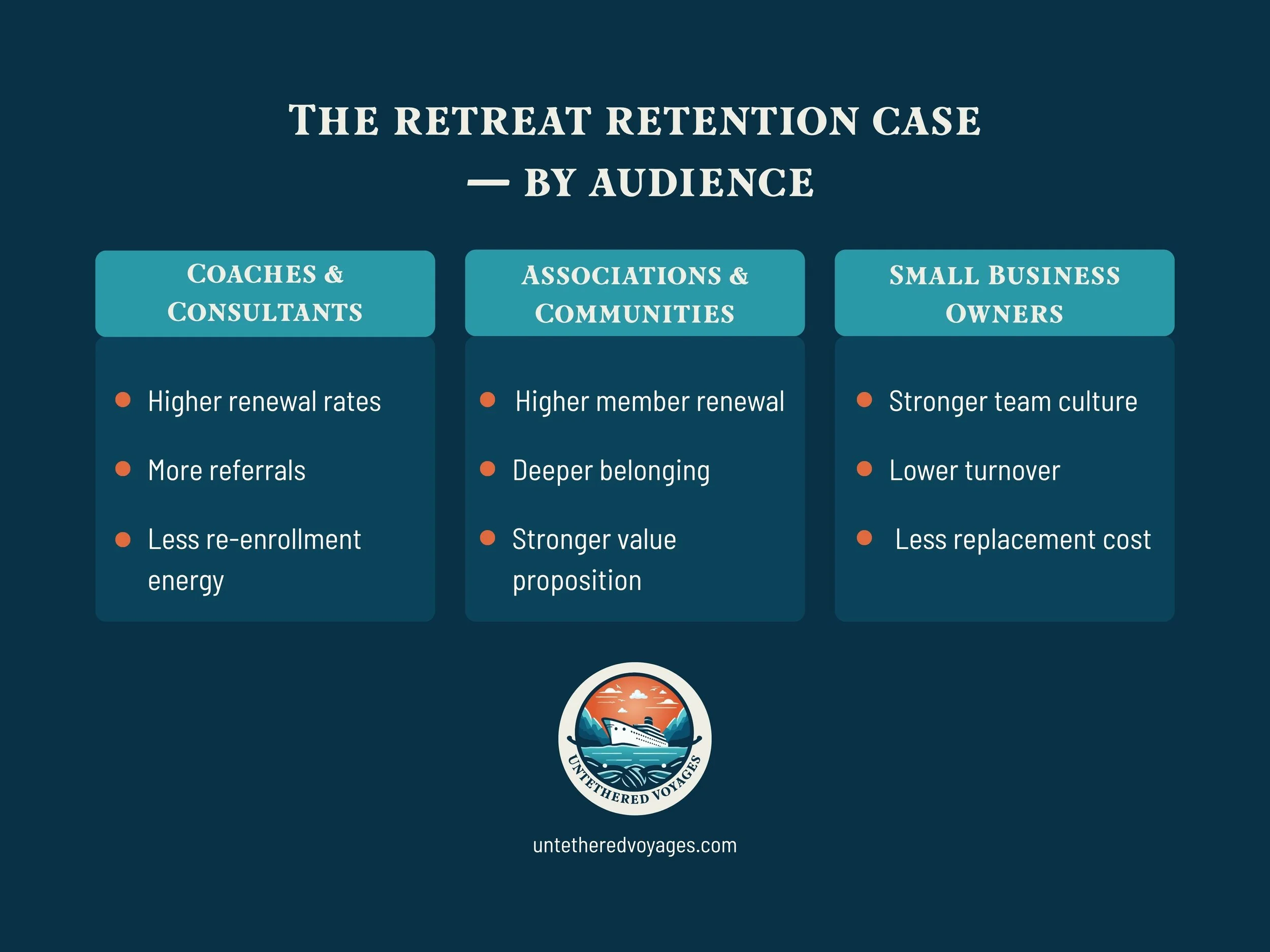
For coaches and consultants, the retention case is straightforward: clients who have been on a retreat together renew at higher rates, refer more readily, and require less re-enrollment energy. The shared experience extends the relationship in both directions - they stay longer, and they bring people with them. The retreat doesn't just retain existing clients. It recruits the next cohort.
For professional associations and membership organizations, the retention challenge is existential. Half of associations report no growth or decline in membership, and only 11% describe their value proposition as very compelling. In that environment, a signature annual event - something genuinely distinctive, somewhere genuinely extraordinary - is one of the few tools that moves renewal rates in a measurable way. Members who attend in-person events renew at dramatically higher rates than those who don't. The event isn't a perk. It's the argument for staying.
For small business owners, the retention equation is about team. Organizations lose $2.9 trillion annually to voluntary turnover, with replacement costs ranging from 30 to 400% of salary depending on role level. A team retreat that makes people feel genuinely invested in - not just managed, not just compensated, but seen and celebrated - is one of the highest-return investments available. It costs less than one replacement hire. It buys something no hiring process can manufacture: the feeling that this place is worth staying for.
WHY A SHIP WORKS SO WELL FOR THIS
The environment matters more than most people think. A retreat held somewhere forgettable produces forgettable results. The shared experience that drives retention requires a shared experience worth having.
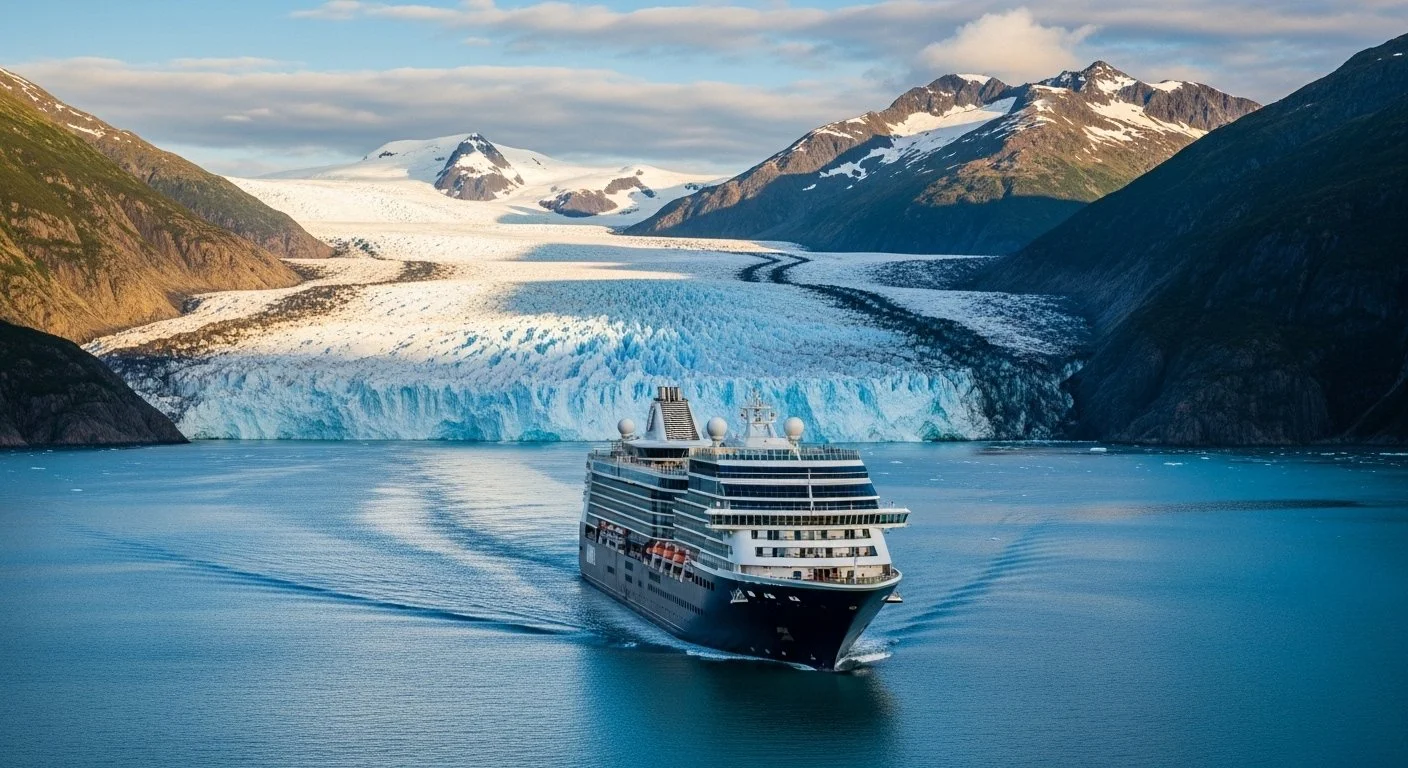
A ship at sea does something no conference hotel can replicate. The group is genuinely contained - present in a way that's physically enforced rather than socially encouraged. The environment is extraordinary by default. The logistics are handled. And the in-between time - the dinners, the deck conversations, the shore excursions - is where the relationships that drive retention actually form.
The retreat doesn't have to be the biggest thing you've ever done. It has to be the most memorable. And a well-chosen ship, on the right itinerary, for the right group, has a way of handling that without being asked.
THE BOTTOM LINE
Retention isn't a feature you can build. It's a feeling you have to earn. And the feelings that last - the ones that make leaving genuinely unthinkable - are almost always attached to a shared experience your people can name, describe, and remember.
The retreat is the strategy. The ship is just a very good place to run it.
If you're ready to start thinking about what a retreat could look like for your group, book a free discovery call with us here.
If you're still building the case, these posts will help:
The Real ROI of a Group Retreat (And How to Actually Measure It) - the full framework for understanding return across four categories.
Why People Come Back From Retreats Different - the human side of what retreats actually produce.
[The Hidden Retention Strategy Your Membership Organization Is Missing (It's Not Another Webinar) - for association and community leaders specifically.
Why 2027 Is the Year to Do Something Different With Your Team - for small business owners making the internal case.